Product catalog

Epoxy car primer, rust-protective (wet-on-wet, insulator)

Code: ep20ml
Model:
Select option:
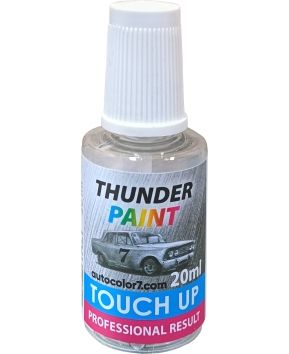
touch-up 20ml
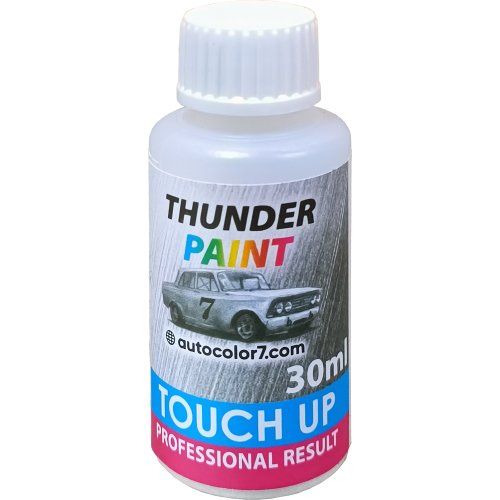
touch-up 30ml
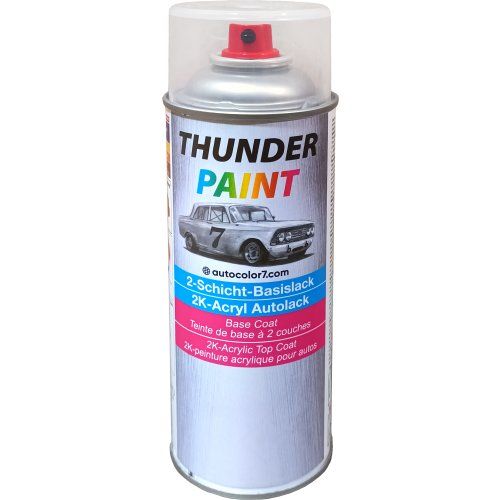
Spray can 520 ml
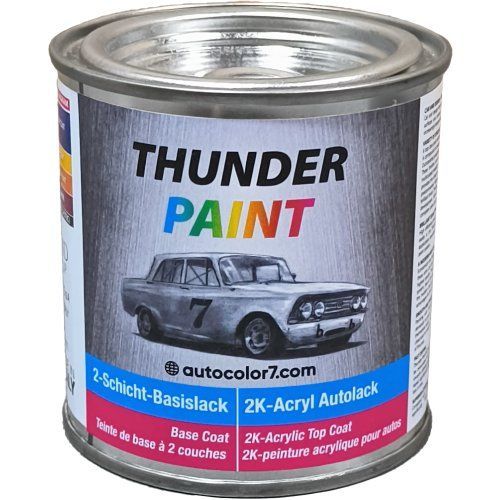
Can 236½ml
Can 473ml
Can 946ml
0,00
5,00
/ pcs
(inkl. MwSt.)
Out of stock
In stock
+

Out of stock

Delivery methods

DHL Logo – Wikipedia DHL delivery to the address

DHL Logo – Wikipedia DHL delivery to a post office

Payment methods

Online payment with Visa or Mastercard via WayForPay

Description

Epoxy primer for cars, corrosion-resistant (wet on wet, insulator)

Epoxy primer is the ideal solution for protecting your vehicle from corrosion and preparing the body for paint application. This product provides excellent corrosion protection and can be used as an insulator, preventing the penetration of moisture and corrosive processes.

  • Wet on wet: Possibility of applying on wet base coat without compromising the quality of the coating.
  • 💡 Corrosion protection: Protects the vehicle from rust and other external influences.
  • 🚗 Universality: Ideal for use on cars, motorcycles, bicycles and other vehicles.
  • 🌟 Easy to use: Available in different packaging sizes: 20 ml and 30 ml pen, 520 ml spray can and 236.5 ml, 473 ml and 946 ml cans.
  • 🔧 Surface preparation: Ensures excellent adhesion to the metal and improves the adhesion of the coating.

Application of epoxy primer

Epoxy primer is recommended for surface preparation prior to the application of paint materials. Applied to metal surfaces, it prevents corrosion and creates a stable base for subsequent paint layers.

Advantages:

  • ✅ Suitable for all climatic conditions.
  • 💡 Excellent adhesion and durability.
  • 🚗 Protection against rust and other damage.
  • 🔧 Versatile use on different types of surfaces.

Available packaging:

  • ✍️ Pen 20 ml and 30 ml – practical for spot touch-ups.
  • 🎨 520 ml spray can – ideal for large areas.
  • 🏠 Cans 236.5 ml, 473 ml, 946 ml – for professional use and larger quantities.

Instructions for use:

  1. Clean the surface of dirt and old coatings.
  2. Apply the primer to the prepared surface.
  3. Wait until the primer has dried and proceed with the paint application.

Where to buy?

You can purchase the epoxy primer directly here by selecting the desired packaging. We guarantee fast delivery and high product quality!

Reviews
No reviews yet
Write a review
First name*
Email
Enter comment*
Recommended articles
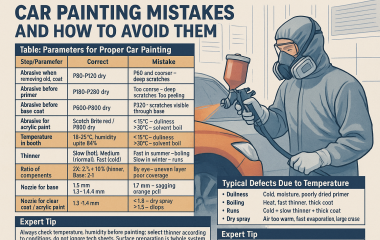
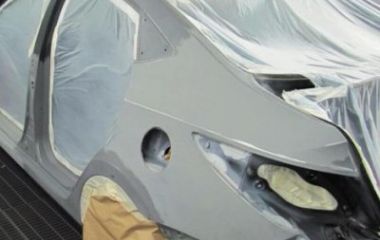
10 mistakes when painting your car – and how to avoid them

An article on how to avoid mistakes when painting a car: parameter table, surface preparation, typical painting errors and tips for a high-quality result.

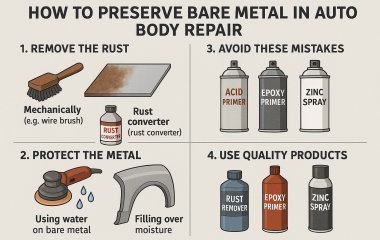
How to protect metal during body repair

Proper corrosion protection during body repair: removal of rust, anti-corrosive primers and inadmissibility of contact with water.

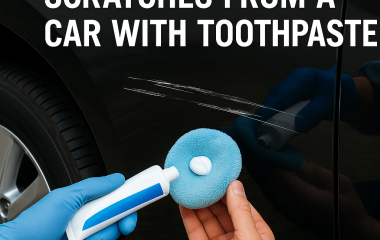
How to remove car scratches at home: step-by-step instructions

Easy ways to remove car scratches at home.

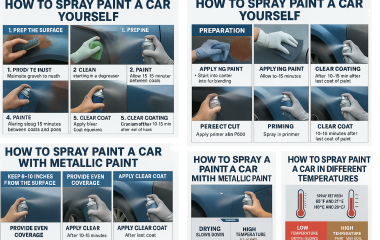
Car painting with a spray can. Do-it-yourself body repair.

In this article, you'll learn how to paint rust and your car's bodywork yourself using a spray can. The step-by-step instructions will help you prepare the surface, apply primer and paint, and properly dry and seal the paint. We'll also show you how to paint your car with a smooth color gradient, work with metallic paint, and under which conditions painting with a spray can works best. Follow our tips to achieve perfect results and save money on car repairs.

Zinc primer in a spray can.

Zinc spray primer is the most popular zinc coating for local automotive repairs today. Fast-drying primers with a high content of fine, liquid zinc provide rapid corrosion protection and are resistant to automotive chemicals, solvents, gasoline, saline solutions, and weathering.

The popularity of zinc spray cans lies in both the necessary corrosion protection for vehicles and their ease of application for spot repairs. Zinc primer in a spray can can be used both as a base for a subsequent paint job and on its own – for example, as a temporary measure while the vehicle or a component awaits a complete paint job in the workshop. In any case, this type of corrosion protection helps preserve metal parts and components better than if the vehicle were used or parked without a protective zinc coating.

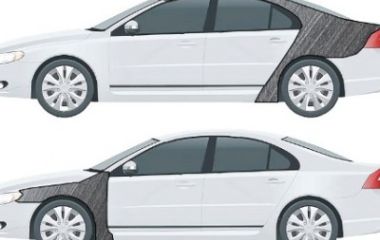
How to paint a fender with a spray can

Local body repair: painting a vehicle fender

Vehicle fenders often suffer damage from parking bumps and minor accidents, necessitating local body repairs. For DIY fender painting, you can use automotive spray paint. This article describes in detail the materials needed and the steps for fender painting, including preparation, color selection, application, and painting.
Read full description

Car paint primer in a spray can: types and properties

Car primer in a spray can

Car primer in a spray can is a practical and effective way to prepare surfaces before painting. It protects metal from corrosion, improves paint adhesion, and smooths out unevenness. There are several types of primers: acrylic, anti-corrosive (acidic, epoxy, and zinc-based), and special primers for plastic. The aerosol format is ideal for spot repairs and requires no additional equipment.

Rust converter – a corrosion inhibitor to protect your car

Rust converter

Metal car parts are particularly susceptible to corrosion in areas with chips and scratches. The rust converter removes oxides, prevents further corrosion, and forms a protective layer. It is available in various formats: spray cans, cans, and bottles with a brush. For maximum protection, the treated area should then be primed and painted.

Zinc-containing protective primer – types and application

The most common method for protecting against corrosion is cold galvanizing , which involves coating the metal with a special zinc primer, also known as " liquid zinc ." In cold galvanizing, fine-grained zinc is applied to the body or individual car parts in the form of paint (up to 95% zinc, resins, and solvents).