Mistakes when painting a car: how to avoid them
Painting a car requires precise preparation and adherence to the correct technique. Mistakes at every stage—from sanding to clearcoating—can lead to defects such as orange peel, paint boiling, dullness, dust inclusions, and chipping. This guide covers typical mistakes, proper preparation, and a table of parameters for a high-quality paint job.
Table: Parameters for high-quality car painting
| Work step / parameter | Correct | Mistake |
|---|---|---|
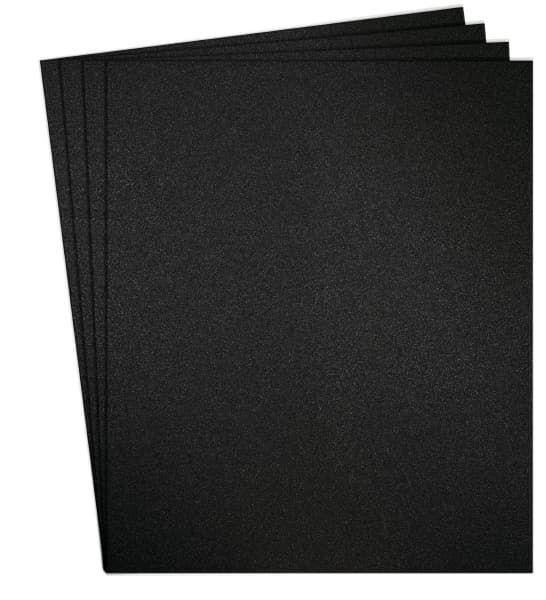
| Abrasive for removing old coating | P80–P120 (dry, without water) | P60 and coarser – leaves deep scratches |
| Abrasive before the filler | P180–P280 (dry, without water) | Too coarse – deep scratches, too fine – adhesion problems |
| Abrasive before basecoat | P600–P800 (dry, without water) | P320 – Scratches appear under the base coat |
| Abrasive before acrylic paint (matting) | Scotch Brite red / P600 (dry, without water) | P400 or dry sanding – defects |
| Temperature in the paint booth | 18–25 °C, humidity up to 60 % | <15 °C – dullness, >30 °C – solvent boiling |
| thinner | Slow (hot), Medium (normal), Fast (cold) | Fast in summer – cooking, slow in winter – runners |
| Mixing ratio | 2K: 2:1 + 10% thinner; base: 2:1 | By eye – unstable layer, poor coverage |
| Nozzle for base coat | 1.3 mm | 1.7 mm – runners, orange peel |
| Nozzle for clear varnish / acrylic varnish | 1.3–1.4 mm | <1.2 – dry spraying, >1.5 – drop formation |
| Nozzle for filler | 1.7–2.0 mm | <1.4 – insufficient layer, orange peel |
Surface preparation before painting
- Bare metal: degrease → sand with P120–P180 (dry, without water) → acid primer → filler.
- Plastic: Silicone remover → adhesion promoter → filler.
- Filler: sand with P180–P280 (dry, without water) → filler in 2–3 coats.
- Old paint system: matting with P600–P800 (dry, without water) → degrease → base coat.
Typical paint defects caused by temperature
- Dullness: cold, damp, poorly dried filler.
- Solvent boiling: heat, fast thinner, too thick layer.
- Runner: cold + slow thinner + thick layer.
- Dry spraying: air too warm, rapid evaporation, distance too great.
Expert tip
Before painting, always check the temperature and humidity, adjust the thinner to the conditions, and consult the technical data sheets. Surface preparation isn't a simple "degrease and go" approach, but rather a well-thought-out system. The durability and appearance of the paintwork directly depend on it.
Conclusion
Painting mistakes can only be avoided by consistently following all technical steps – from using the right abrasive and thinner to the right nozzle and careful surface preparation. This article is a cheat sheet for anyone who wants to paint professionally.