Rust converter – a corrosion inhibitor to protect your car
All metal parts and elements of a car are susceptible to corrosion. Even a small chip or scratch in the paint can trigger the metal's oxidation process, and the resulting corrosion spreads beneath the intact paint layer.
Ideally, all metal parts of the car should be treated with anti-corrosive treatment and a protective coating. However, there are certain areas on every vehicle that are particularly susceptible to corrosion:
- Places where metal parts meet or come into contact;
- Underbody and chassis parts;
- Welds and edges of metal parts;
- Cavities in the vehicle body;
- all areas with damaged paint – scuffs, scratches, paint chips where the bare metal is visible.
Timely anti-corrosive treatment of paint damage can prevent or significantly slow the formation and spread of rust on the metal of the vehicle body. Anti-corrosive primers and polishes are among the protective agents that provide corrosion protection until the paint has been restored. If rust is already present, the affected area should definitely be treated with a rust converter.
Rust removal on cars – rust converter
Rust converters for removing and preventing metal corrosion not only prevent rust formation, but also penetrate well and allow the removal of the already formed oxide layer. They also form a protective film that prevents further rust formation on the treated surface.
However, simply treating the metal area with the rust converter is not sufficient. While most converter substances create a protective film, this is less durable than the paint layer. Therefore, all layers of the paint system—primer, paint, and clear coat—should be restored as quickly as possible. If the area is not painted immediately after treatment with the rust converter, the corrosion protection treatment must be repeated before painting.
Rust converter – application technology
You can purchase rust converters from a wide range of automotive chemicals and car care products. Depending on the manufacturer and composition of the corrosion inhibitor, the application may vary slightly, but generally, its use requires no special skills.
Steps to remove rust from your car:
1. Remove the rust from the affected area using a metal brush, sandpaper or a sanding attachment.
2. Clean and degrease the repair area with a solvent.
3. Apply the rust converter (e.g. spray from a spray can, apply with a brush or cloth – depending on the product form).
4. Allow the treated layer to dry (drying time is indicated on the packaging).
Caution – Some corrosion protection converters must be washed off after application. They remove rust but are ineffective after about an hour. After washing, the treated area must be primed and/or painted over with liquid zinc. Therefore, choose converters that form a permanent protective film on the metal.
5. After the rust converter has dried, you can start applying filler, primer and car paint.
Rust converters – range and packaging
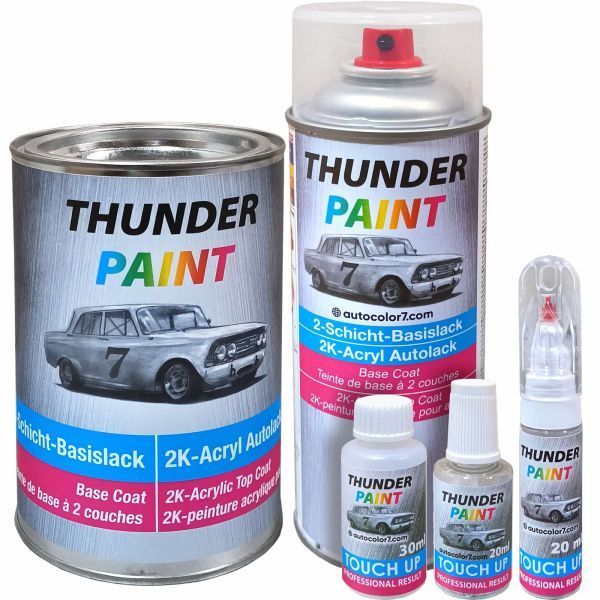
Rust converters for cars are available in a variety of packaging. You can purchase rust converters in spray cans, tins, or small bottles with a brush, which are particularly suitable for treating small scratches and chips. Rust converters in spray cans are the most practical form of corrosion protection treatment when the agent needs to be applied evenly to vertical, curved, complicated, and hard-to-reach parts (e.g., chassis parts, underbody).