Car paint in a spray can – types and application technology
Aerosol clear coat for cars – why it is practical
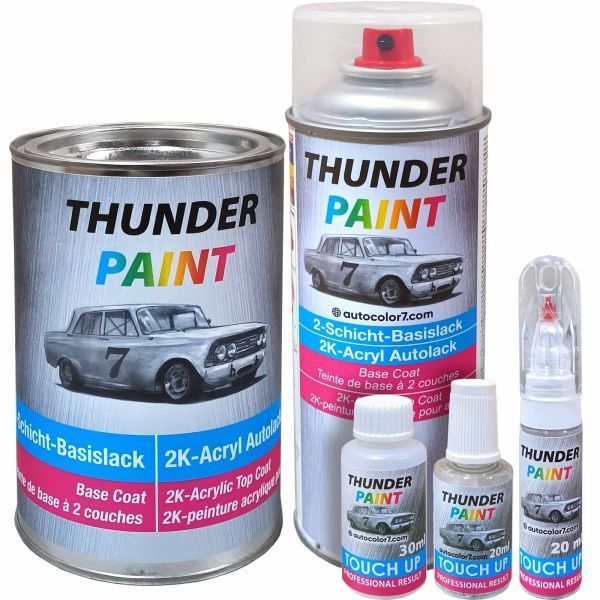
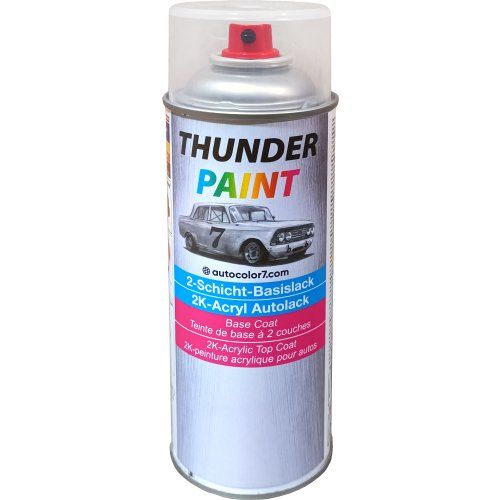
A spray paint can is an aerosol containing a pressurized clear coat mixture. This device allows for easy application of the contents to the surface of the car body or an individual part. The main advantage of spraying is that the paint can be easily applied to hard-to-reach areas, as well as to curved, thin, or small parts and elements. A correctly selected, high-quality aerosol car clear coat easily eliminates imperfections, creates an even glossy or matte (depending on the selected paint type) surface, and gives the vehicle a beautiful new look.
Aerosol clear coats are available in various versions, differing in formulation, chemical composition, and molecular structure. The spray can always has a standard design: a metal container with a mixing ball, equipped with an atomizer, and a nozzle for controlling the paint application. High-quality aerosol clear coats from leading brands are always sold with a nozzle that can regulate the intensity and diameter of the spray.
Types of car paints in spray cans:
- Acrylic clear varnish,
- Polyurethane clear coat,
- Nitrocellulose varnish.
Common paint type designations are HS, UHS, and MS. If you want to choose a spray clear coat that perfectly matches your car's paint, you should choose a clear coat from the same manufacturer as the car's paint color. This ensures the best chemical interaction between the paint and the paint, ensures the clear coat adheres well to the body surface, and results in a particularly durable and glossy finish.
Aerosol clear coats can be chosen in matte or glossy finishes, depending on your taste. Clear coats with tinted tints are also available, but are rarely used in automotive refinishing—a product for "enthusiasts." Both matte and glossy clear coats are available as single-component versions (cheaper paints) or as two-component, more expensive, two-component paints marked "2K" on the spray can. Two-component, two-component clear coats not only offer better coverage and gloss, but also a longer-lasting, more durable finish.
Paint application technology
The technology is very simple – shake the spray can for 2-3 minutes, "blow through," and apply the clear coat in 2-3 coats, allowing 10-20 minutes of drying time between each coat. Then allow the new coat to dry completely.
The most difficult step is preparing the surface before painting: The more thoroughly you remove dirt, grease, and dust, the better the quality and, above all, the longer the paint finish will last. However, if you're painting a freshly painted area (no more than 36-48 hours old), you don't need to clean or degrease the surface before applying the clear coat.
Please note that before painting, you need to "blow through" the spray can to ensure the atomizer is evenly filled with paint and avoids air spraying. To do this, spray a few times into the air.
The paint is sprayed vertically onto the surface from a distance of approximately 25-35 cm. The spray can should always be held vertically. After applying the final coat of paint, be sure to wait until it dries completely (usually 2 to 24 hours). During this time, protect the painted area from sudden temperature changes, moisture, drafts, and dust.
Caution! Be sure to read the manufacturer's instructions for the aerosol clear coat, which provide precise information on the optimal number of coats, spray distance, drying time between coats, and complete curing of the product. Drying times generally refer to an ambient temperature of +20°C.
To calculate how many spray cans are needed to paint a car or one of its parts, you can consult the table under Car Paint Consumption .
You can also view other products from our catalog: